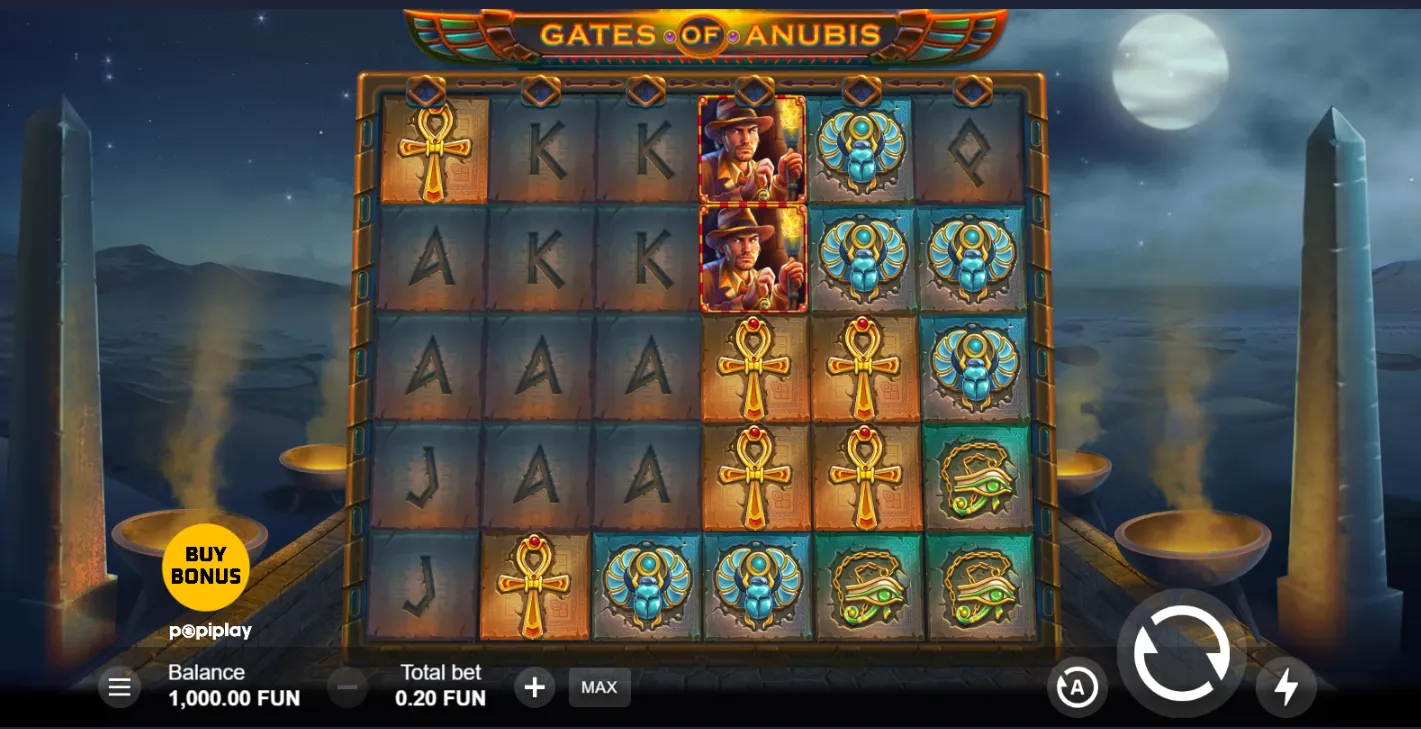
Chance, randomness, and the gambler’s fallacy
Independent events explained
Gambling myths fade under independence: in random‑number‑generator games or a well‑shuffled deck, outcomes don’t remember. Red isn’t “due,” and five losses don’t change the next spin’s odds.
Why this matters
When you treat random results like a pattern that must “even out,” you risk chasing losses. Example (hypothetical): you flip a fair coin and get tails five times. The chance of heads on the sixth flip is still one in two, not higher because “it’s time.” The same idea applies to a slot spin or a dice roll that is properly random.
Hot streaks, “due” wins, and betting systems
People say a machine is hot, a table cold, or that clever bet progressions beat the house. Streaks are just randomness; wins reveal no setting, and losses don’t mean a payoff is due.
| Claim | Reality | Everyday example |
|---|---|---|
| A machine is “due” after many losses | Each spin has the same programmed odds | Like new coin flips after each toss |
| Bet doubling beats the house | Table limits and bankrolls cap recovery | A short streak wipes many small gains |
| Hot tables can be spotted by eye | Past outcomes don’t reveal the next one | Seeing red often doesn’t predict black |
Progression systems feel orderly, but they do not change the built‑in house advantage. They can smooth small swings, then unravel when a long losing streak meets a table limit or a thin wallet. The risk is not technical; it is practical.
Skill, near‑misses, and what game design can suggest
Where skill fits—and where it doesn’t
Some games have meaningful decisions (for example, choosing when to fold in a card game). Others, like a slot spin, offer no choice that affects the outcome. Confusing these categories leads to trouble. Playing thoughtfully can reduce obvious mistakes in decision‑based games, but it does not erase variance, and it does nothing in games that are pure chance.
Near‑misses—two jackpot symbols and one just above the payline—can feel like “almost winning.” They are simply another losing result, even if they look exciting. That design can nudge you to continue.
- Near‑misses feel special, yet they pay the same as other non‑winning outcomes.
- Animations and sounds can amplify that feeling without changing the odds.
- Recognizing this helps you judge a session by time and comfort, not by “momentum.”
Money management myths and simple checks
Budgets help with control, not with odds
Set a budget or split your bankroll for peace of mind; limits don’t change odds. If a game pays back less than you stake, the long run stays below break‑even however you divide the same budget.
When a tip or rumor sounds convincing, slow down and test it with plain steps:
- Describe the claim in one sentence without buzzwords.
- Ask whether it changes decisions or just feelings.
- Check if it would still hold after 10 losses in a row.
- Consider table limits, maximum stake rules, and your stop point.
- Decide whether the claim predicts the next event, or only explains the last one.
Keeping perspective and knowing when to pause
Games are built with a house edge. You might win in a short session, and you might not. What you can choose is pacing, breaks, and how much time and money you are comfortable exchanging for entertainment. Signs that it is time to pause include playing longer than planned, chasing a specific loss back, or hiding play from people you trust.
If you reached this page through general web browsing and want the exact address you saw referenced elsewhere, here is the link as a neutral pointer: tjr-official.com. Myths fade when you compare them with simple ideas: independence of events, the role of house edge, and the limits of betting systems. Keep decisions small and clear, and end a session when it stops feeling relaxed.
Conclusion: Understanding how randomness works removes the pressure to find hidden patterns. Use budgets to protect your routine, question tips that promise to outplay math, and treat wins and losses as part of the same game rather than signals of what must come next.